
"coffee farming systems"
3000 article(s) found

Detailed Analysis of four cultivation Systems of Coffee in Ethiopia
Forest coffee (Forest Coffee): wild coffee, which accounts for 10% of Ethiopia's national output, is distributed in the wild coffee forest areas of the west and southwest, also known as the Kafa forest. The dense trees here provide the most natural shade for coffee trees and do not need manual care. Mother Earth is in charge of birth, aging, sickness and death, and coffee farmers can go directly to the woodland to harvest. Hansen

How are the raw beans of selected coffee harvested? What are the methods of selecting coffee beans?
The harvesting method of ◎ harvest is one of the criteria for judging selected coffee. If calculated in terms of germination time, it will take about five years for Arabica coffee to blossom and bear fruit. The fruiting period is different in the southern hemisphere. There are many large coffee farms in Brazil, called "Fazendas", which are often harvested by machines, but the worst coffee is not the worst in terms of grade.
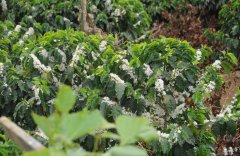
Flavor characteristics of coffee producing area information of addis ketema Adis coffee in Yechuefi, Ethiopia
The exchange of professional baristas please follow the coffee workshop (Wechat official account cafe_style) Ethiopia is the country where coffee was first discovered, and it is still the most important producing country and the best in terms of coffee quality and output. Most coffee is the traditional Arabica species, with an annual output of about 350000 tons and more than 70% exported to countries around the world. About 15 million people in the country are engaged in coffee.
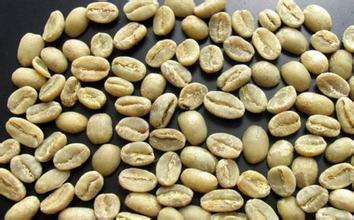
Detailed Analysis of four cultivation Systems in Coffee producing areas of Ethiopia
Forest coffee (Forest Coffee): wild coffee, which accounts for 10% of Ethiopia's national output, is distributed in the wild coffee forest areas of the west and southwest, also known as the Kafa forest. The dense trees here provide the most natural shade for coffee trees and do not need manual care. Mother Earth is in charge of birth, aging, sickness and death, and coffee farmers can go directly to the woodland to harvest. Hansen
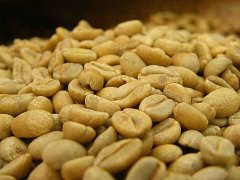
Detailed introduction of washing beans in Ethiopia red cherry plan hole plus chair cleaning station
Professional barista exchanges please follow the coffee workshop (Wechat official account qianjiecoffee) Ethiopian red cherry plan hole plus chair cleaning station to wash beans Ethiopia is the first country to discover coffee, in terms of coffee quality and output is still the most important producing country and the best, coffee is mostly traditional Arabica species, annual output is about 350000 tons and 70%

Characteristic description of washed coffee beans in Ethiopian Red Cherry Project Mormora Momora Plantation
Professional barista exchanges please follow the coffee workshop (Wechat official account qianjiecoffee) Ethiopia is the country where coffee was first discovered, in terms of coffee quality and output, Ethiopia is still the most important producing country and the best, coffee is mostly the traditional Arabica species, the annual output is about 350000 tons and more than 70% are exported to countries around the world, about 15 million people in the country are engaged in coffee

Red Cherry Plan grading system Red Cherry Plan Coffee treatment French Red Cherry Plan what kind of coffee is the Red Cherry Plan
Professional coffee knowledge exchange more coffee bean information please follow the coffee workshop (Wechat official account cafe_style) what is the red cherry project, the red cherry program is also a reinforcing method, so that the farm to pay more attention to the process of selecting beans, the price of these coffee is also relatively high, red cherry program has water washing, sun drying beans, half water washing, half sun drying, experimental coffee and so on.

Introduction to the flavor and taste of Nyeri small farmer coffee beans in Kigwandi, Kenya
For the exchange of professional baristas, please follow the coffee workshop (Wechat official account qianjiecoffee) Kenya AA (Kigwandi) Nyeri Kenya is a model country for producing fine coffee beans. Coffee was introduced from Britain in 1900, and only traditional Arabica did not have the best bourbon species of SL28 and SL34 in Kenya until 1950. All water is collected and treated.

Four major cultivation systems of Ethiopian coffee analyze in detail how Ethiopian coffee is cultivated.
Forest coffee (Forest Coffee): wild coffee, which accounts for 10% of Ethiopia's national output, is distributed in the wild coffee forest areas of the west and southwest, also known as the Kafa forest. The dense trees here provide the most natural shade for coffee trees and do not need manual care. Mother Earth is in charge of birth, aging, sickness and death, and coffee farmers can go directly to the woodland to harvest. Hansen

Third place in Brazil COE-Sitio Tanque Tango Manor Information _ Brazilian Fine Coffee processing system
Professional coffee knowledge exchange more coffee bean information please follow the coffee workshop (Wechat official account cafe_style) Brazil COE International Competition: half-Sun treatment Group International third Tango Manor (Sitio Tanque) Farmer: Merce Jordan Araujo Silva International judges Flavor description: 89.47BlackBerry, lime, chocolate, caramel, Cabernet grape, apple

Introduction to the description of varieties and flavors of Kam Chu Valley Coffee in Kenya with Fruit Flavor
China Coffee Network Kenya there are two types of coffee farms in Kenya. One is a large planting farm covering more than five acres, but the average elevation is low. In the case of Kenyan Coffee, the coffee beans of the big farm are of medium quality. The best Kenya beans are produced in small farms, most of which are located in the foothills or volcanic slopes above 5,000 to 6,000 feet. Each small farmer has only 20 to 7 production capacity per season.
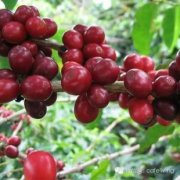
Yegashev Kochere Cochel Cooperative Water washing Yega Flavor introduction Baking suggestion
Ethiopia Yegashev Kochere (Cochel Cooperative) G1 Ethiopia is the country where coffee was first discovered. It is the most important coffee producer in terms of quality and quantity. Most of the varieties are traditional Arabica species, with an annual output of about 30-400000 tons, of which 70% are exported to countries all over the world. About 15 million people are engaged in coffee-related work, and more than 90% of the farms or cooperatives belong to small-scale farming.

Detailed Analysis of four cultivation Systems of Ethiopian Fine Coffee
According to the following four different modes of production, Ethiopian coffee can be divided into nine major coffee producing areas, including five boutique coffee areas: Sidamo, Yegashefi, Harald, Lim and Lekampidi, and four general commercial bean producing areas: Gemma, Irugbagbo, Tibby and Bekaa. The sun or water washing methods are used in each district, and different treatment methods also affect the flavor.

Detailed introduction of Kenya Gatomboya Cooperative Gatoboa Cooperative
For the exchange of professional baristas, please follow the coffee workshop (Wechat official account cafe_style) Kenya AA-Gatomboya Cooperative Gatoboa Cooperative Kenya is a model country for producing fine coffee beans. Coffee was introduced from Britain in 1900, and only traditional Arabica did not have the best bourbon species of SL28 and SL34 in Kenya until 1950.

Introduction and description of flavor and taste characteristics of sun-cured coffee beans in Haramasala region of Ethiopia
Professional barista exchanges please follow the coffee workshop (Wechat official account qianjiecoffee) Ethiopia is the country where coffee was first discovered, in terms of coffee quality and output, Ethiopia is still the most important producing country and the best, coffee is mostly the traditional Arabica species, the annual output is about 350000 tons and more than 70% are exported to countries around the world, about 15 million people in the country are engaged in coffee
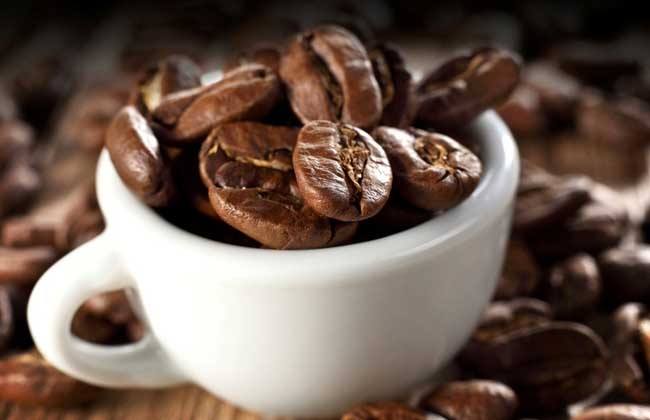
Description of flavor and taste characteristics of Kenyan coffee beans introduction to the classification system of Kenyan coffee beans
Following Cafe Review (Wechat official account vdailycom) found that Beautiful Cafe opened a small shop of its own Kenyan coffee-high-quality Kenyan coffee with aroma, rich and fruity flavor, rich and perfect taste. Kenyan coffee has a wonderful fruit flavor, tastes like BlackBerry and grapefruit, and is a favorite of many coffee gluttons. This coffee comes with
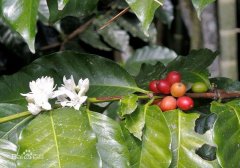
Peruvian coffee farm coffee beans grow Peruvian coffee beans
In recent years, coffee producing countries no longer blindly pursue high output while neglecting quality. Many countries have begun to introduce a new coffee evaluation system in order to arouse the enthusiasm of producers and promote the production of fine coffee. For example, Brazil began to implement the Cup of excellence coffee rating system in 1999 in order to better subdivide boutique coffee. And boutique coffee has become

Introduction to the treatment methods of Kenyan boutique coffee
Don't underestimate the small farmers in Kenya, they are just like ants, and their overall production capacity is higher than that of large farms, about six to four, which is quite rare in bean-producing countries. Kenyan coffee is widely appreciated by connoisseurs, thanks in large part to small farmers guarding the foothills and producing high-quality coffee. In addition, Kenya beans must have a strict grading system, according to the size of the coffee beans taken out by the washing plant.

How to distinguish the advantages and disadvantages of Brazilian coffee beans Brazilian coffee grading system
There are many large farms in Brazil, which run endless coffee plantations. They use machines to harvest and dry them. They are so efficient in automation that they regard coffee as a general agricultural material and completely abandon the flavor and flavor. As a result, many select coffee companies simply do not sell Brazilian beans so as not to demean themselves. In select coffee shops, Santos in Brazil still appears occasionally.

Introduction of Burundian Coffee single Bean Flavor description Variety planting Development History production area treatment method
Professional baristas Please follow the Coffee Workshop (Wechat official account cafe_style) Burundian Coffee A rich, soft-tasting coffee from the war-torn areas Burundi (Burundi) has the most diverse and successful coffee industry in the world and has its own characteristics. Coffee in this country was introduced by Belgian colonists in 1930 and is now grown only on small farms. No.